Bachelor of Early Childhood Education
Program Overview
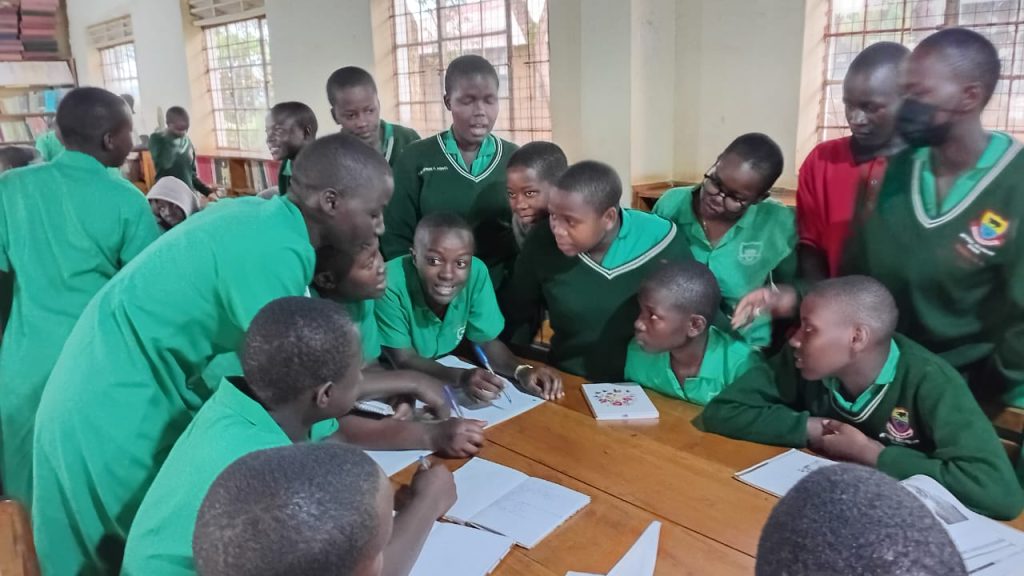
The Bachelor of Early Childhood Education (BECE) at Ndejje University is an education‑focused degree offered under the Faculty of Education. The program aims to prepare professional educators capable of supporting the holistic development of children , aligning with global standards that emphasize cognitive, social, emotional, and physical growth in early childhood.
Why Study this program at Ndejje University?
- Strong foundation in teacher training: Ndejje University has a robust Faculty of Education offering multiple education programs, making it a reliable institution for developing teaching professionals.
- Flexible study options: Day, evening, and distance‑learning modes allow access for both full‑time students and working educators.
- High demand for ECE professionals: Global evidence shows early childhood education has strong positive effects on lifelong learning, increasing the need for qualified educators.
- Alignment with international priorities: The program supports the holistic development principles emphasized by UNICEF and UNESCO, preparing graduates to meet global early education standards.
Learning Outcomes
Graduates of BECE program will be able to:
- Understand early childhood development across physical, cognitive, emotional, and social domains.
- Apply age‑appropriate teaching methods, including play‑based and child‑centered learning approaches.
- Design and implement effective early childhood curricula that build early literacy, numeracy, creativity, and socio‑emotional skills.
- Support inclusive learning, addressing diverse needs and ensuring each child experiences supportive and equitable learning environments.
- Engage families and communities, recognizing the importance of strong parent‑teacher partnerships in child development.
- Demonstrate professional ethics and promote safe, nurturing early learning environments.
- Conduct basic educational research to improve teaching practice and evaluate child learning outcomes.
Course Structure
Year 1Year 2Year 3
- Child Growth and Development
- Child Health Care
- Child Nutrition
- Christian Ethics I
- Communication Skills
- Comparative Education
- Computer Applications I
- Curriculum Design, Development and Evaluation
- History of Education
- Introduction to Early Childhood Education
- Child Rearing Practices
- Christian Ethics II
- Computer Applications II
- Curriculum Instruction and Media
- Educational Technology
- Entrepreneurship Skills Development
- Language Development and Teaching
- Philosophy of Education
- Sociology of Education
- Special Needs Education
- Child Psychology
- Educational Research Methods
- Home Management/Science
- Human Learning, Measurement and Evaluation
- Mathematics Education for Younger Children
- Normal Language and Speech Acquisition
- Play as an Avenue in the Teaching of ECED
- Creative Work/Arts and Crafts
- Educational Administration and Management
- Guidance and Counseling
- Material Development and Display
- Music Education (Songs and Rhyme for Younger Children)
- Physical Education
- Religious Education
- Research/Project Report
- School Practice
- Administration and Management ECED
- Assessment and Evaluation
- Child Study
- Institutional Management
- Method/Approaches of Teaching ECE
- Speech and Sound Disorders in Children
- Clinical Procedures in Communication Disorders
- Community Engagement and Involvement in Early Childhood Education
- Contemporary Issues in Early Childhood Education
- Early Childhood Development Curricula
- Foundation of Language Analysis
- Material Development and Display
- Professional Ethics for Teachers
- Research Report
- School Practice
Entry Requirements – Bachelor of Early Childhood Education
Direct Entry
- Uganda Certificate of Education (UCE) with at least 5 passes
- Uganda Advanced Certificate of Education (UACE) with 1 principal pass in a relevant subject.
Diploma Entry
- Relevant diploma in Education or related field (Upper Second or Credit), recognized by NCHE
Mature Age Entry
- A minimum score of 50% in a recognized Mature Age Entry Examination
International Applicants
- Secondary school completion equivalent to Uganda’s A-Level
- Academic documents must be equated where necessary
- Proof of English proficiency if prior education was not in English
This Course includes:
How to get Admitted?
Follow the application process by submitting your academic documents and completing the university admission requirements.