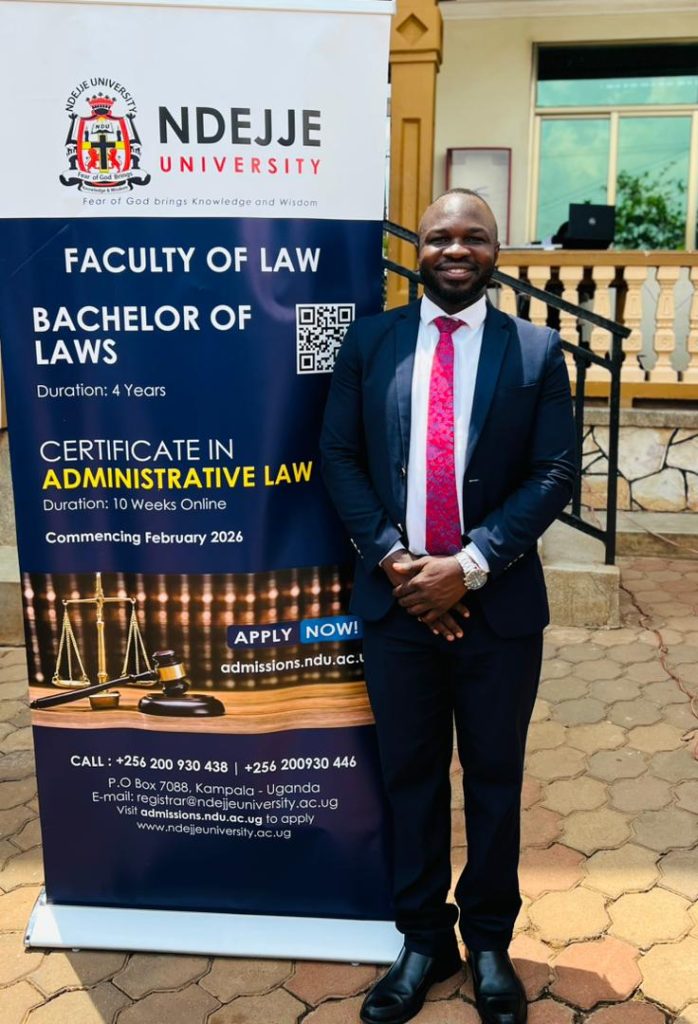
Ndejje University reached a landmark institutional milestone today, September 4, 2026, as the Faculty of Law hosted the inaugural graduation ceremony for its pioneer cohort of the Certificate in Administrative Law program. The colorful event celebrated students who successfully fulfilled all academic and professional requirements to earn their credentials, marking a significant advancement in the university’s mission to strengthen legal literacy, governance, and public administration.

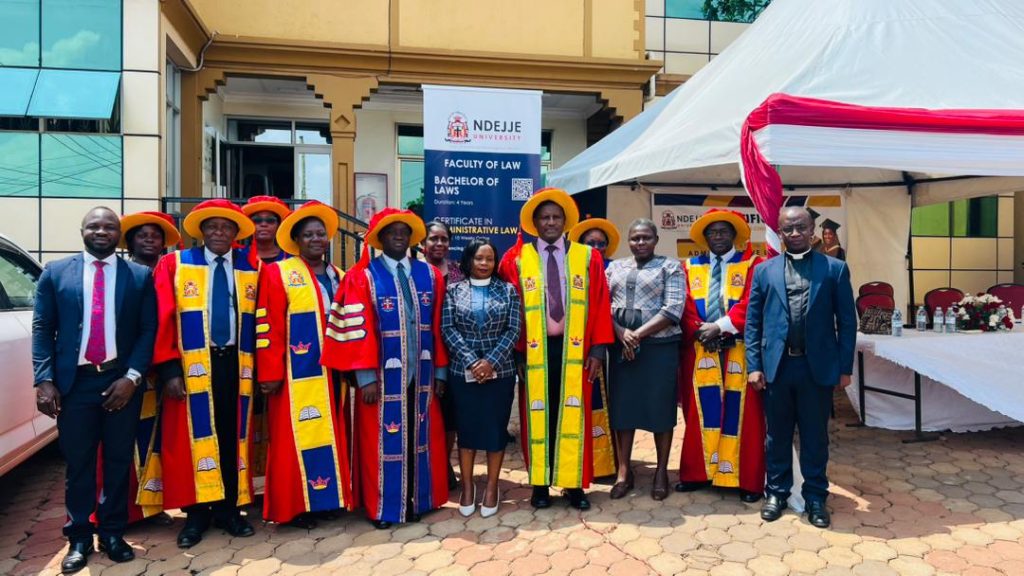

The ceremony was presided over by the Deputy Vice Chancellor of Ndejje University, Dr. Christopher Samuel Mayanja, who officially conferred the certificates upon the graduates. In his address, Dr. Mayanja warmly congratulated the pioneer class and urged them to go beyond academic theory by practically applying the knowledge acquired in their daily administrative duties. He emphasized the vital importance of living out Ndejje University’s core values integrity, selfless service, accountability, and excellence as the graduates transition into leadership and administrative roles across the public and private sectors. He also extended sincere appreciation to the leadership and staff of the Faculty of Law for their commitment and hard work in delivering the program
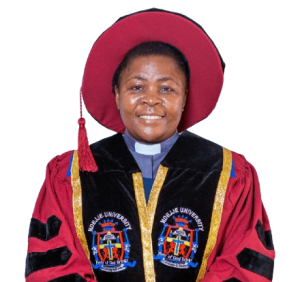
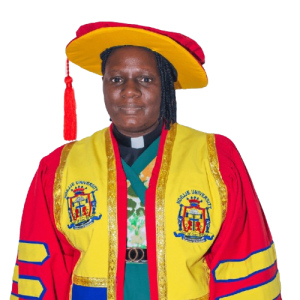
The historic event brought together senior management, key university officers, and academic leaders who graced the occasion to support the graduating class. Notable attendees included Can. Kayingiriza US, University Bursar CPA Maureen Mugisa, HR Consultant Mrs. Babra Sekatuuka, and Deputy University Chaplain Rev. Juliet Kansiime, alongside Deans of various faculties and University Directors.
The Certificate in Administrative Law is strategically designed to equip public servants, corporate administrators, legal assistants, and policy officers with practical knowledge of administrative justice, procedural fairness, public governance, and compliance. Speaking on behalf of the academic body, faculty members praised the inaugural cohort for setting a high standard of dedication, laying a firm foundation for upcoming groups.
Here is the list of graduates from the pioneer cohort of the Certificate in Administrative Law at Ndejje University:
- Nakabugo Madinah Tamale
- Alinda Donald
- Kitolwa Efrance Akandwanaho
- Sserunjogi David Richard
- Mawanda Alafat
- Gangu Derick
- Galinnya Stephanas
- Nabadda Christine
- Avako Karen
- Tesiima Margaret
- Kabahuma Irene
- Walusimbi Allan
- Naddamba Jane Clare
- Kayuki Edwin Edward
- Gitta Amos
- Kiyonga Edward
- Uwanziga Ritah
- Kakundwa Naome
- Tindiwensi Dickk
- Walugembe Brian
- Magambo Genmungu Innocent
- Amanige Godwin
As these pioneer graduates step into the professional world, Ndejje University reaffirms its promise to the nation and the global community: to continuously nurture ethical leaders, uphold high standards of academic excellence, and produce practical, values-driven professionals who foster administrative justice, accountability, and positive societal transformation wherever they serve. The event concluded with joyful celebrations, networking, and group photographs as family members, academic staff, and university management joined the graduates to mark this historic day
Adherence to the Rule of Law and Due Process
Addressing the graduates during the ceremony, Mr. Robinson Wamani, the Head of Department for Commercial and Corporate Law and senior lecturer in the Faculty of Law, delivered a compelling charge on administrative integrity and procedural justice. He called upon the pioneer cohort never to compromise on legal and professional standards in their daily execution of public and institutional duties.
Grounding his message in both legal philosophy and faith-based values, Mr. Wamani reminded the administrators that the cornerstone of administrative law is the right to a fair hearing (audi alteram partem). He noted that the requirement for procedural fairness is divine in origin, tracing back to the Book of Genesis where God Himself granted Adam a fair hearing before passing judgment. He urged the new graduates to model their leadership after this standard, ensuring that empathy, equity, and due process guide every decision they make in their respective offices.